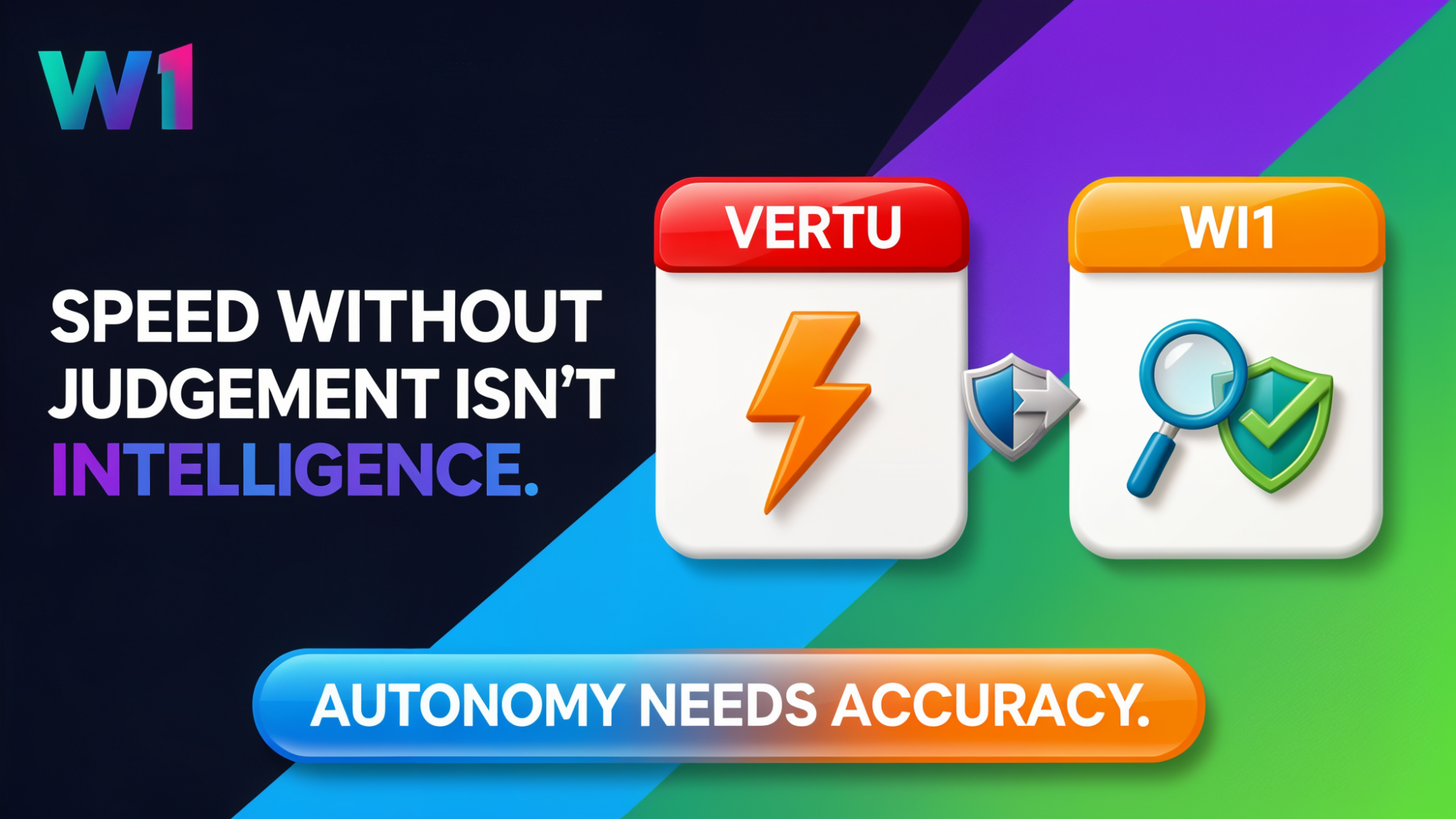
Would you pay $6,880 for a phone — because of the AI agent running inside it?
Vertu’s new Alphafold handset is betting the answer is yes. Behind the calfskin leather and titanium trim sits an AI agent built to run an executive’s whole day: emails, spreadsheets, travel planning, contracts, calendar management. TechCrunch put that pitch through real executive workflows, tested head-to-head against Samsung’s Galaxy Z Fold 7 running Google’s Gemini, and the results are a useful case study in where agentic AI genuinely stands today.
What the test actually found
- The Vertu agent acted fast and autonomously, sending messages, opening navigation and enabling Do Not Disturb without being asked twice — but it set a reminder for 9:08pm when the request was made 15 minutes after a 2:32am prompt.
- Asked to plan a business trip, it booked the calendar entry for the wrong dates entirely.
- Gemini, by contrast, asked clarifying questions first and got the details right, completing less of the task automatically but with far higher accuracy.
- The Vertu agent also lost context on a spreadsheet it had already analysed, asking in a later session for the user to re-upload a file it had summarised days before.
- Underneath the branding, the hardware is essentially a rebadged $1,100 ZTE Nubia Fold.
The takeaway isn’t that agentic AI doesn’t work. It’s that autonomy and accuracy are still a trade-off businesses have to manage deliberately, and a slick AI pitch is only as good as the judgement engineered underneath it. Charging a premium for an agent doesn’t automatically make that agent reliable — the accuracy has to be earned, tested and proven, not assumed because the price tag is high.
Worth a read before any organisation prices AI agents as a luxury feature rather than an engineered capability. Full article: TechCrunch — Vertu wants executives to pay $6,880 for an AI agent.